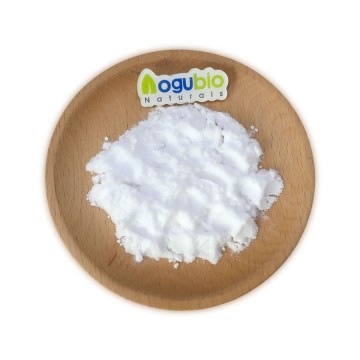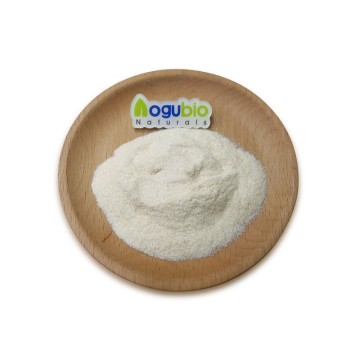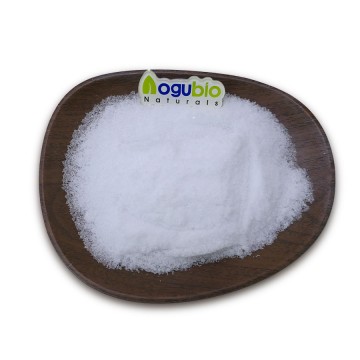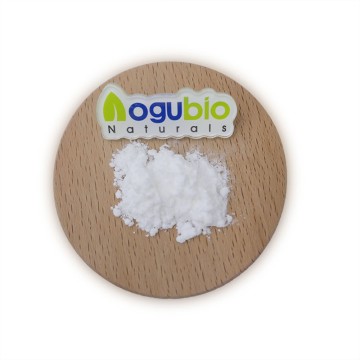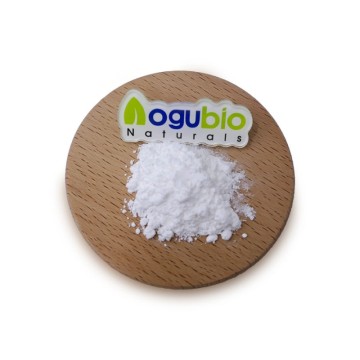
Explore our premium grade raw materials engineered for optimal efficacy in modern cosmetic formulations.
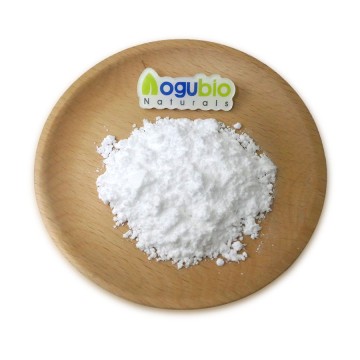
In the rapidly evolving landscape of the global cosmetics and personal care industry, the pursuit of safe, effective, and scientifically backed skin brightening agents has never been more intense. At the forefront of this dermatological revolution is Kojic Acid, a naturally occurring chelation agent produced by several species of fungi, most notably Aspergillus oryzae. Originally discovered in Japan in the late 20th century as a byproduct of the fermentation process of malting rice for sake, Kojic Acid has transcended its humble origins to become a cornerstone ingredient in high-end whitening and brightening product development.
Commercially, the demand for hyperpigmentation solutions is skyrocketing. The global skin lightening products market is projected to reach multi-billion dollar valuations over the next decade, driven largely by consumer demographics in the Asia-Pacific (APAC), Middle East, and increasingly, Western markets where the focus has shifted towards achieving an even skin tone, addressing melasma, and combatting photoaging. Unlike controversial agents such as Hydroquinone, which faces strict regulatory bans in regions like the European Union and stringent oversight by the FDA, Kojic Acid offers a highly efficacious, regulatory-compliant alternative. This pivotal shift has forced cosmetic chemists, formulators, and brand owners to heavily invest in Kojic Acid-centric formulations, cementing its status as an industrial gold standard for melanin inhibition.
The industrial synthesis and extraction of cosmetic-grade Kojic Acid demand rigorous quality control. High purity levels (typically >99%) are required to ensure safety and prevent formulation instability. As the market pivots towards "Clean Beauty" and bio-fermented ingredients, Kojic Acid perfectly bridges the gap between natural sourcing and clinical-grade performance, making it an indispensable asset in modern skincare portfolios.
In the realm of intensive treatments, serums provide the optimal delivery vehicle for Kojic Acid. Formulated typically at concentrations ranging from 1% to 4%, these lightweight, aqueous or slightly viscous solutions allow for deep epidermal penetration. By reaching the basal layer where melanocytes reside, Kojic Acid effectively chelates the copper ions present at the active site of tyrosinase, the rate-limiting enzyme in melanogenesis. Advanced formulations often pair Kojic Acid with penetration enhancers like Glycolic Acid or Mandelic Acid, which not only exfoliate the stratum corneum to facilitate deeper absorption but also accelerate the cellular turnover of pre-existing pigmented cells.
While serums focus on rapid delivery, creams and lotions are designed for sustained release and barrier protection. Developing a Kojic Acid cream requires a delicate balance of emollients, humectants, and active stabilizers. Because skin brightening treatments can sometimes cause mild irritation in compromised skin barriers, formulators frequently combine Kojic Acid with soothing agents like Niacinamide (Nicotinic Acid), Hyaluronic Acid, and Ceramides. This synergistic approach ensures that while the tyrosinase activity is suppressed, the skin's lipid matrix is simultaneously reinforced, preventing transepidermal water loss (TEWL) and reducing the risk of contact dermatitis.
Kojic Acid soaps have gained immense popularity, particularly in Southeast Asian markets, as a daily maintenance step for full-body skin brightening. Formulating a wash-off product presents unique industrial challenges, primarily ensuring that the active ingredient remains stable in high-pH saponified environments and can exert its effects during the short contact time with the skin. To overcome this, cosmetic engineers utilize specialized encapsulation techniques or combine Kojic Acid with synergistic botanicals and gentle exfoliants, ensuring that a micro-layer of the active remains on the skin post-rinse.
The modern consumer demands multi-functional products. Consequently, Kojic Acid is rarely used in isolation in premium product development. The current trend involves creating "cocktails" of brightening agents. For instance, combining Kojic Acid with Azelaic Acid creates a potent treatment for post-inflammatory hyperpigmentation (PIH) and acne scars. When paired with Lauroyl Glutamic Acid, the formulation benefits from gentle cleansing properties without stripping the skin, optimizing the canvas for the brightening agents to perform seamlessly.
Despite its remarkable efficacy, working with Kojic Acid presents significant biochemical challenges that cosmetic scientists must navigate. The most notorious issue is its inherent instability. Kojic Acid is highly susceptible to oxidation and photodegradation. When exposed to light, heat, or oxygen, formulations containing un-stabilized Kojic Acid can rapidly shift in color, turning from a pristine white or clear liquid to an unappealing yellow or brown. This aesthetic degradation, while not always indicative of total efficacy loss, is unacceptable in consumer-facing premium cosmetics.
To combat this, the industry has turned to cutting-edge technological innovations. Liposomal Encapsulation Technology is currently leading the charge. By encapsulating Kojic Acid within microscopic lipid bi-layers (liposomes), the active ingredient is shielded from environmental stressors. This not only dramatically extends the shelf life of the product but also enhances targeted delivery. The liposomes fuse with the cellular membranes of the epidermis, releasing the Kojic Acid directly into the melanocytes where it is needed most, thereby reducing the required concentration and minimizing potential irritation.
Furthermore, the integration of Artificial Intelligence (AI) in Cosmetic Formulation is revolutionizing how we develop these products. AI algorithms are now being employed to predict the stability of Kojic Acid in complex mixtures, simulating thousands of ingredient combinations to identify the perfect ratio of antioxidants (such as Vitamin E, Sodium Metabisulfite, or Ferulic Acid) needed to prevent oxidation. This tech-driven approach significantly reduces the R&D timeline, allowing brands to bring highly stable, highly effective Kojic Acid products to market with unprecedented speed and reliability.
As we look to the future of skin brightening and whitening product development, the trajectory is clear: the intersection of biotechnology, sustainability, and personalized skincare will dictate the next generation of Kojic Acid applications. The "Clean Beauty" movement is demanding transparent, sustainable sourcing. Manufacturers are increasingly utilizing advanced fermentation technologies to produce Kojic Acid with a lower carbon footprint, moving away from traditional resource-heavy extraction methods.
Additionally, the concept of Genomic Skincare is beginning to take root. Future formulations will likely be customized based on an individual's genetic predisposition to hyperpigmentation. By analyzing a consumer's DNA, brands can determine the exact concentration of Kojic Acid and the specific synergistic ingredients (like Niacinamide or Hyaluronic Acid) required to achieve optimal brightening results for their unique skin profile. This level of hyper-personalization, combined with advanced, AI-optimized delivery systems, ensures that Kojic Acid will remain at the absolute pinnacle of dermatological science for decades to come.
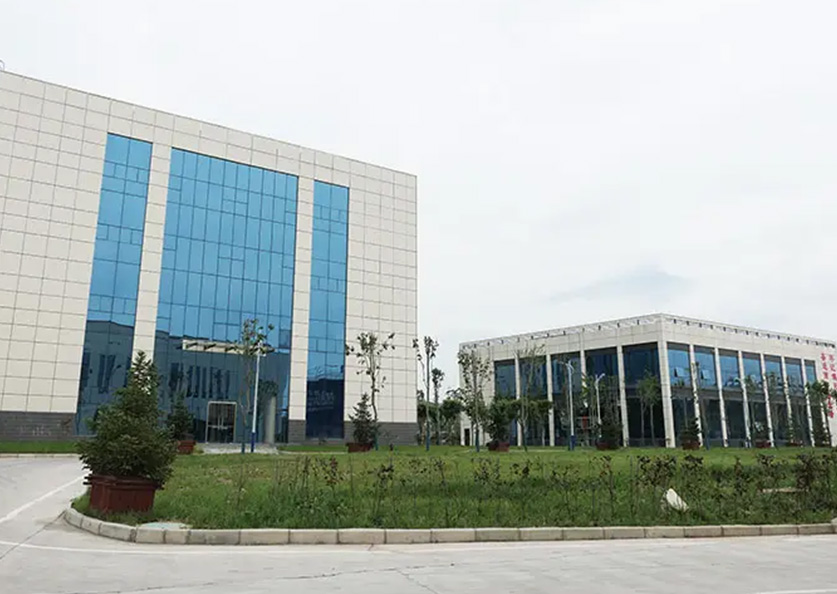
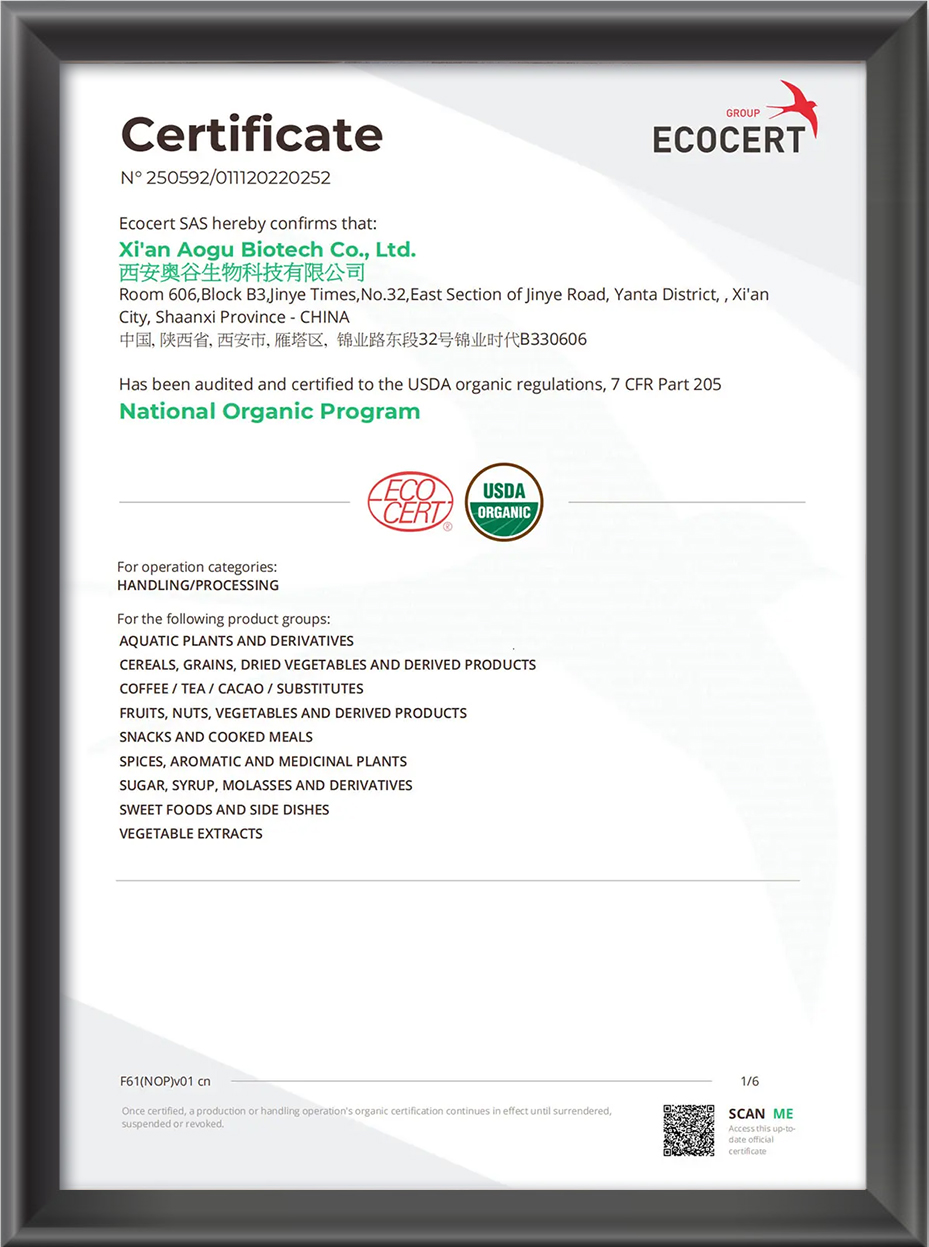
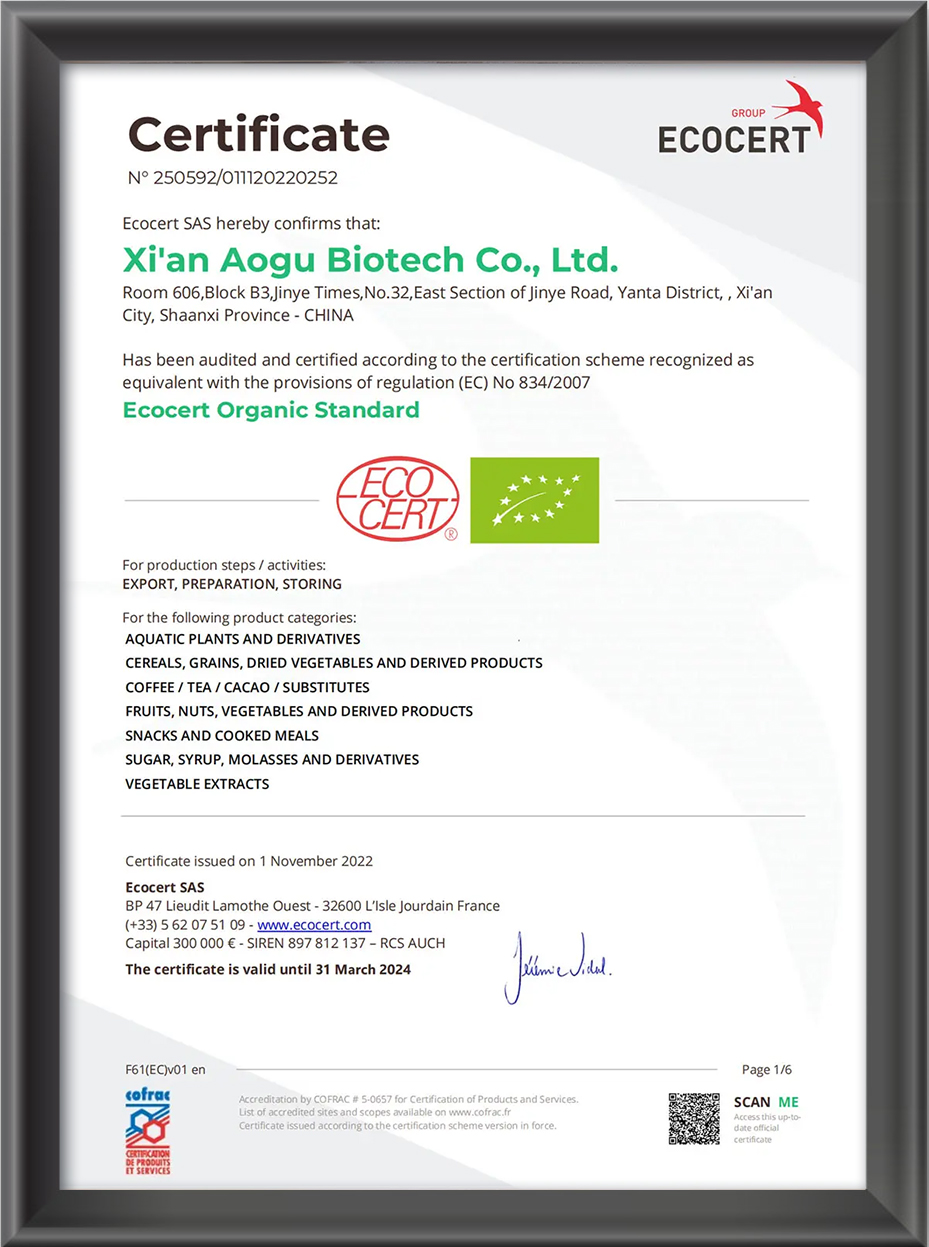
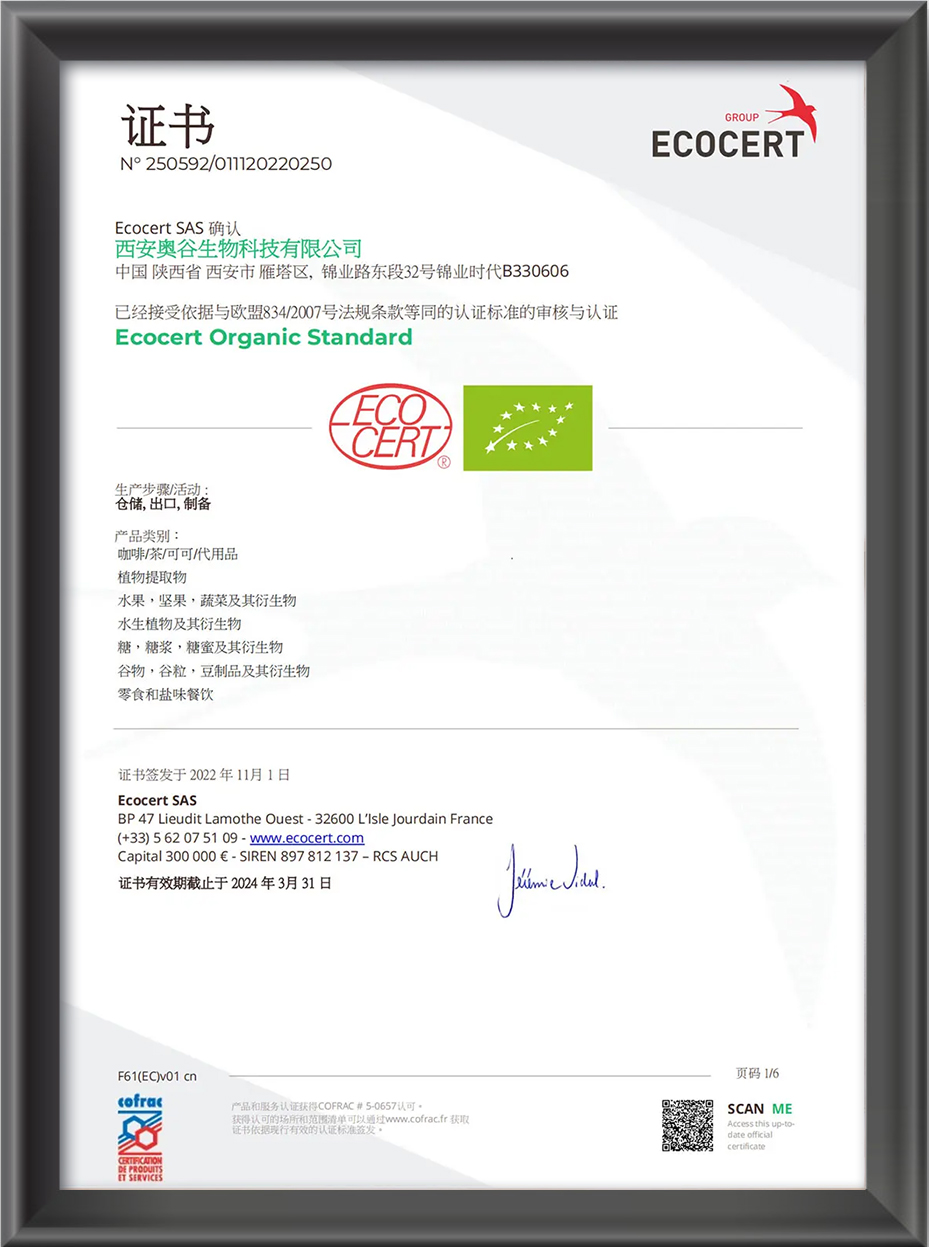
Founded in 2013 and headquartered in the prestigious high-tech zone of Xi'an, Xi'an Aoge Biotech Co., Ltd., along with its subsidiaries Xi'an Imaherb Biotech Co., Ltd. and Xi'an Nahanutri Biotech Co., Ltd., has established itself as a leading force in the cosmetics raw materials industry.
Our expansive cooperative factory, spanning 1,000 mu (approximately 165 acres), is equipped with state-of-the-art extraction technology. This advanced infrastructure allows us to manufacture a wide array of premium cosmetic raw materials. Our product line includes natural plant extracts specifically designed for organic cosmetics, as well as synthetic ingredients for high-end skincare formulations. These raw materials serve as the foundation for a multitude of skincare, haircare, and makeup products, ensuring superior quality and efficacy throughout the entire production process.
View more
Elevate your cosmetic formulations with our premium grade Kojic Acid and complementary active ingredients.
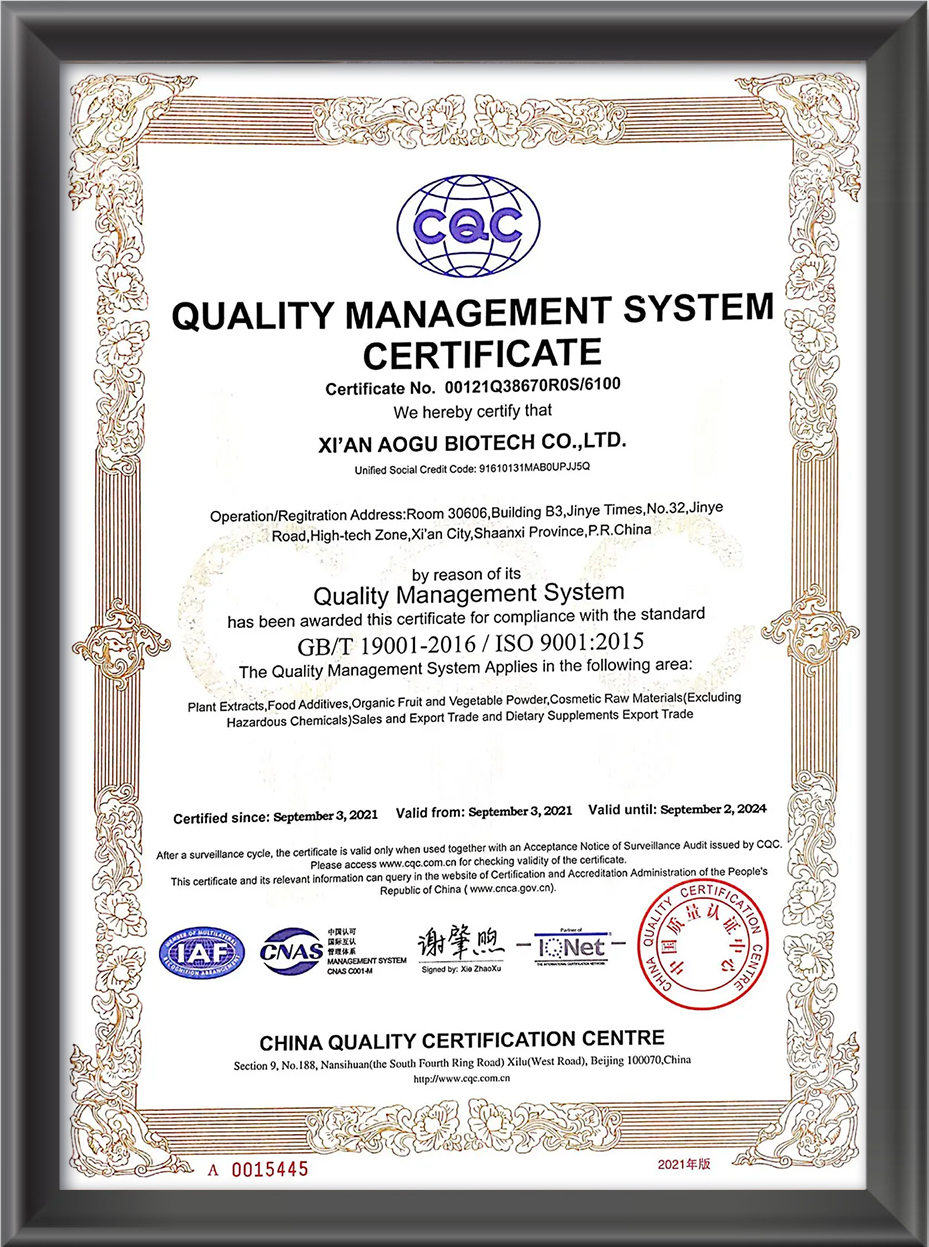
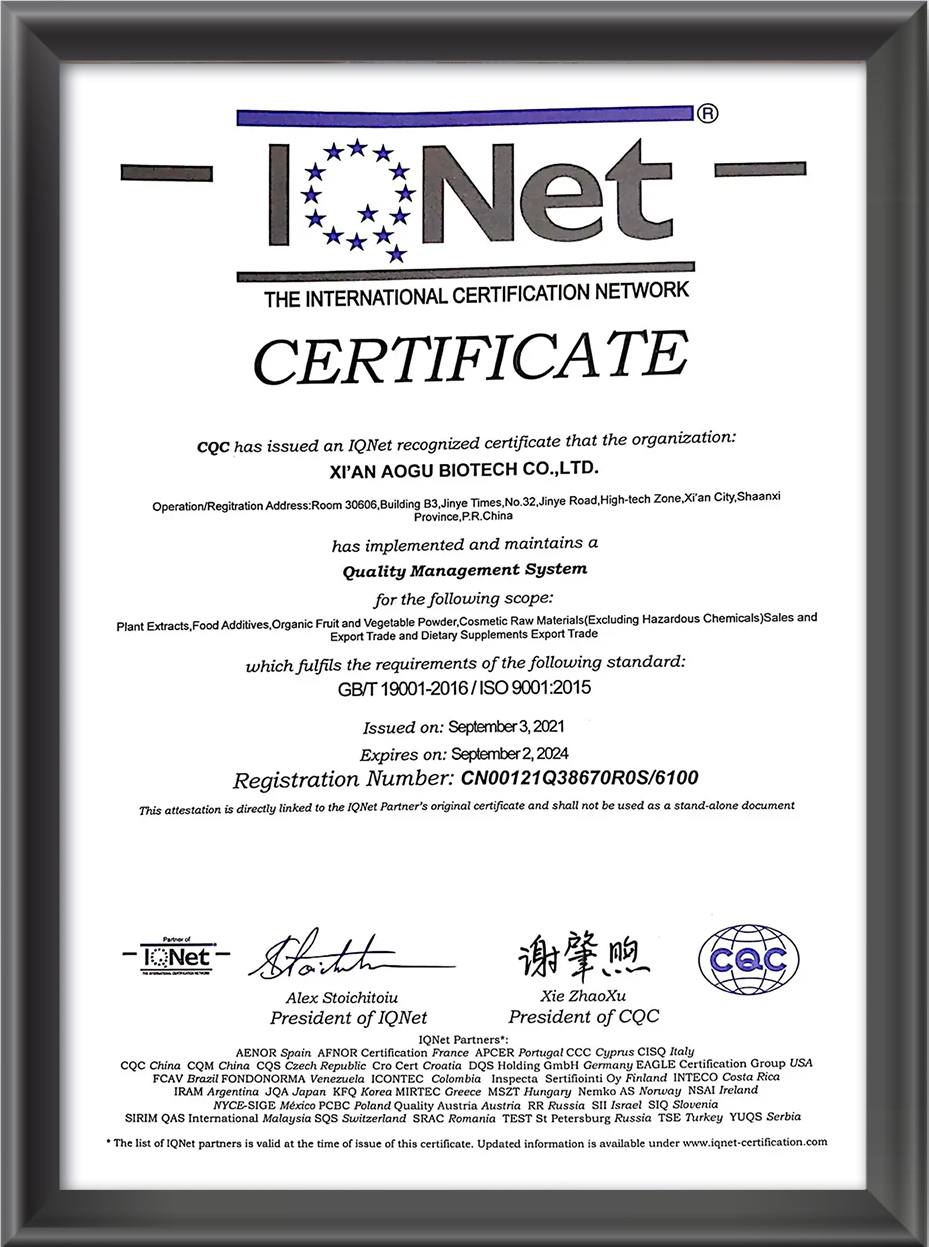
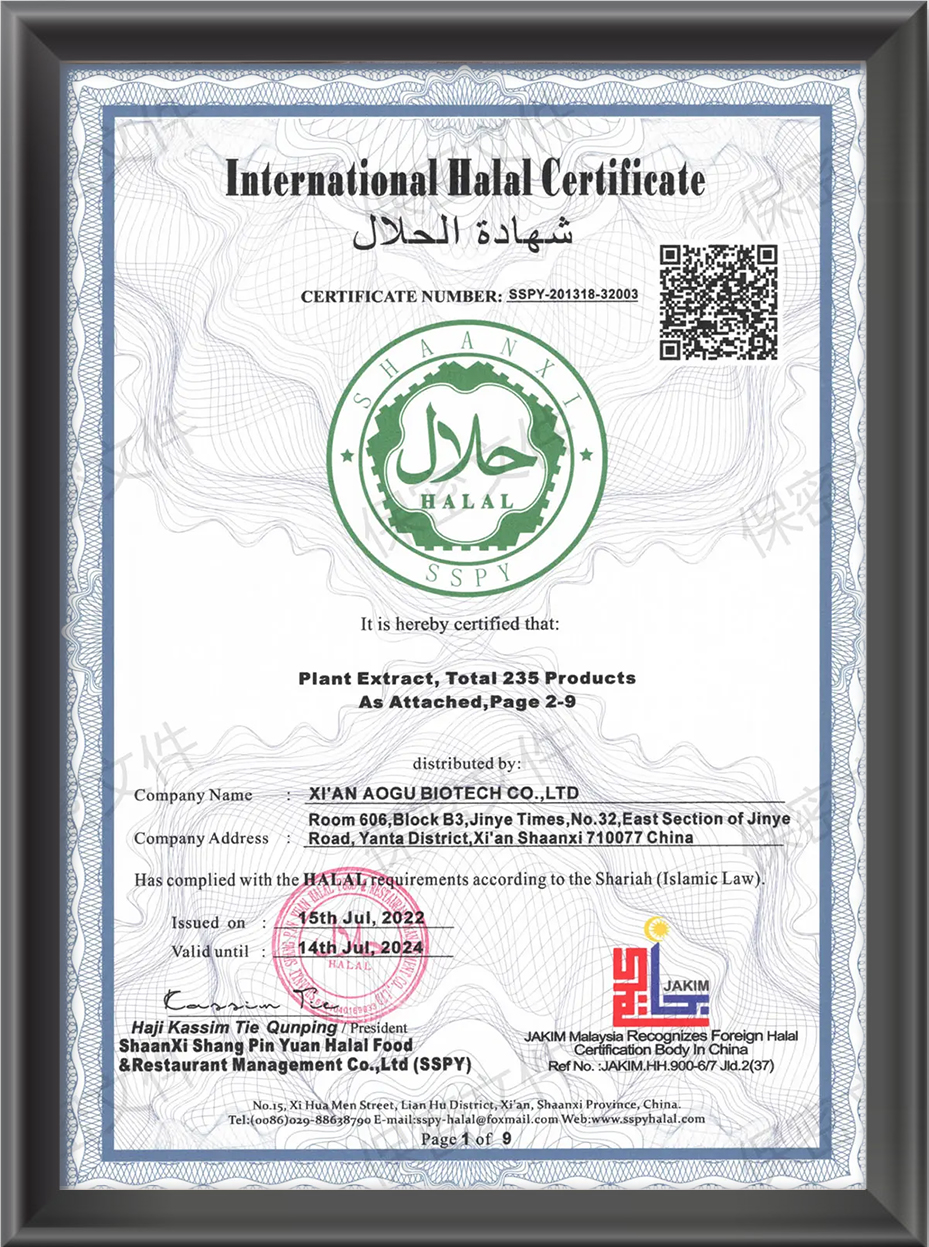
Get product samplesOur in-house lab uses advanced instruments like UPLC, HPLC, GC-MS, ICP-MS for quality control, ensuring raw materials meet strict international standards.


Discover our full range of scientifically backed active ingredients to create synergistic, high-performance cosmetic products.